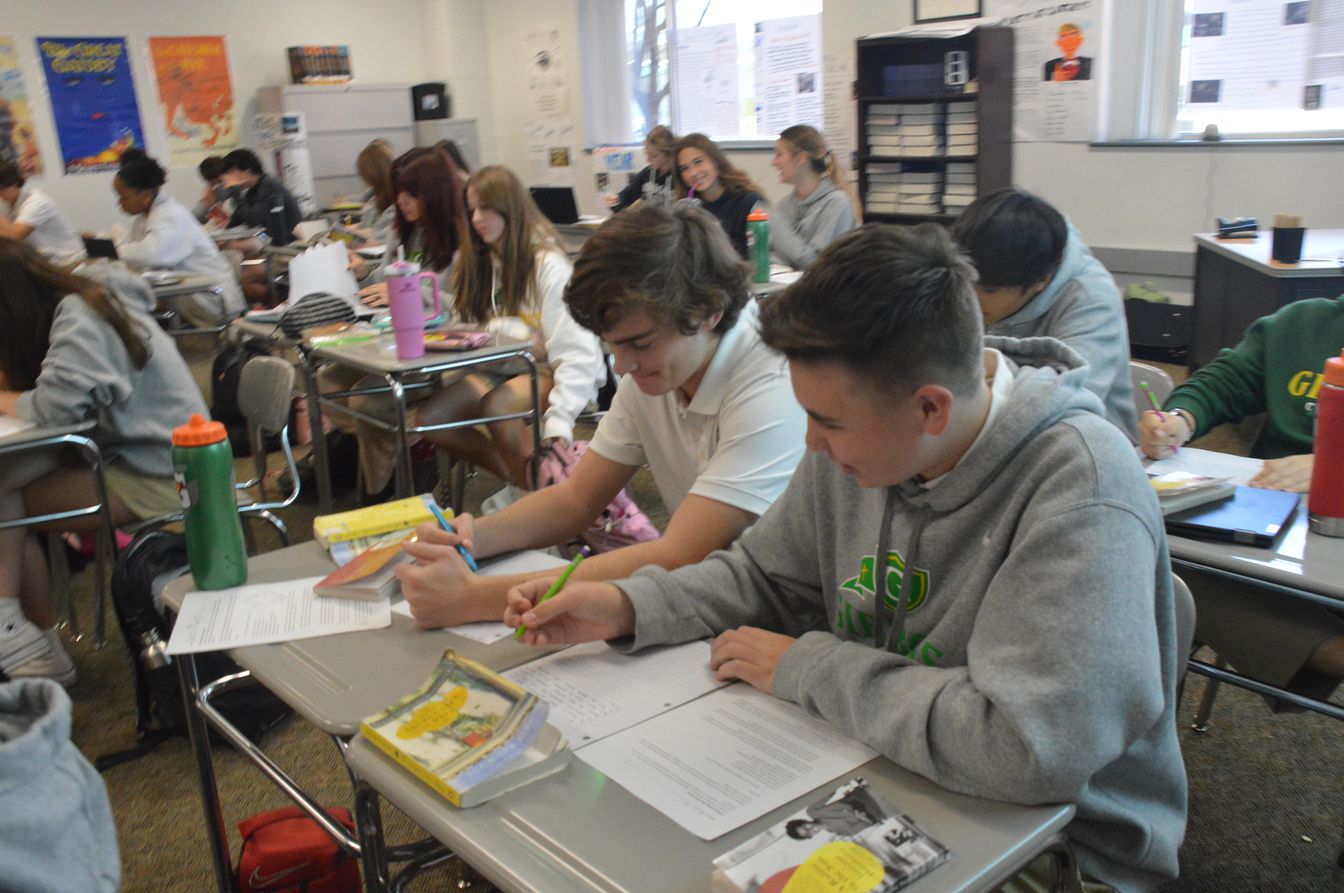
As final exams approach, students across campus are preparing for one of the most important weeks in the semester. This year’s schedule is spread out over four days, giving students extra time to study in the afternoon for each subject. Exams begin at 8:30 a.m., and students are expected to arrive on time, in dress code, and use areas such as the cafeteria and library for downtime studying. Since exams count as 20 percent of the semester grade, both educators and students are working on effective study methods and preparation strategies to help everyone succeed during exams.
Schedule
Monday – No school
Tuesday – 8:30-10:05 a.m. Period 8; 10:30 a.m.-noon Period 7
Wednesday – 8:30-10:05 a.m. Period 6; 10:30 a.m.-noon Period 5
Thursday – 8:30-10:05 a.m. Period 4; 10:30 a.m.-noon Period 3
Friday – 8:30-10:05 a.m. Period 2; 10:30 a.m.-noon Period 1
Student Study Methods
Students across different grade levels use a variety of study techniques to prepare for exams and retain information more effectively. While some students rely on repetition and memorization, others prefer visual learning strategies such as flashcards, study guides, and handwritten notes. Many students also emphasize the importance of time management, staying focused, and avoiding procrastination when preparing for major assessments.
Sophomore Mia Bocarro said active recall and handwritten notes are some of the most effective ways for her to study.
“I would say typically for my harder subjects, like AP classes, I’m studying a week in advance, probably an hour every day, just to try and spread out information,” Bocarro said.
She also noted that procrastination can make studying more stressful.
“I would say sometimes for me studying becomes harder when I put off my work or push things off at the last minute, which goes against the best way to study,” she added.
For freshman Lucy Macstay, she said repetition is her preferred method of studying because it helps her remember information over time. She also explained that having a calm environment is important when trying to focus on reviewing information.
“What makes studying harder for me,” said Macstay. “Is if there is a loud or chaotic environment around me where I cannot focus on my work.”
Junior Erin Callaway said visual learning strategies are especially helpful for her when preparing for exams.
“I am a huge visual learner, so I like to make study guides and flashcards either by using Quizlet or on paper, ” said Callaway. “Honestly, writing things down on paper helps me understand concepts better.”
Callaway also shared that balancing studying with breaks helps her stay productive and avoid burnout.
“I like to break up my study session into smaller blocks of time,” Callaway said. “Give yourself some grace during this crazy, stressful time and don’t study at crazy hours.”
Teacher Preparation
With exams growing near, educators across campus are helping students prepare by providing study resources, review activities, and strategies designed to reduce stress during exam week. Many teachers encourage students to begin reviewing material early instead of cramming the night before exams.
Teachers also recommend finding quiet study spaces and breaking studying into smaller sections over multiple days rather than long, overwhelming sessions.
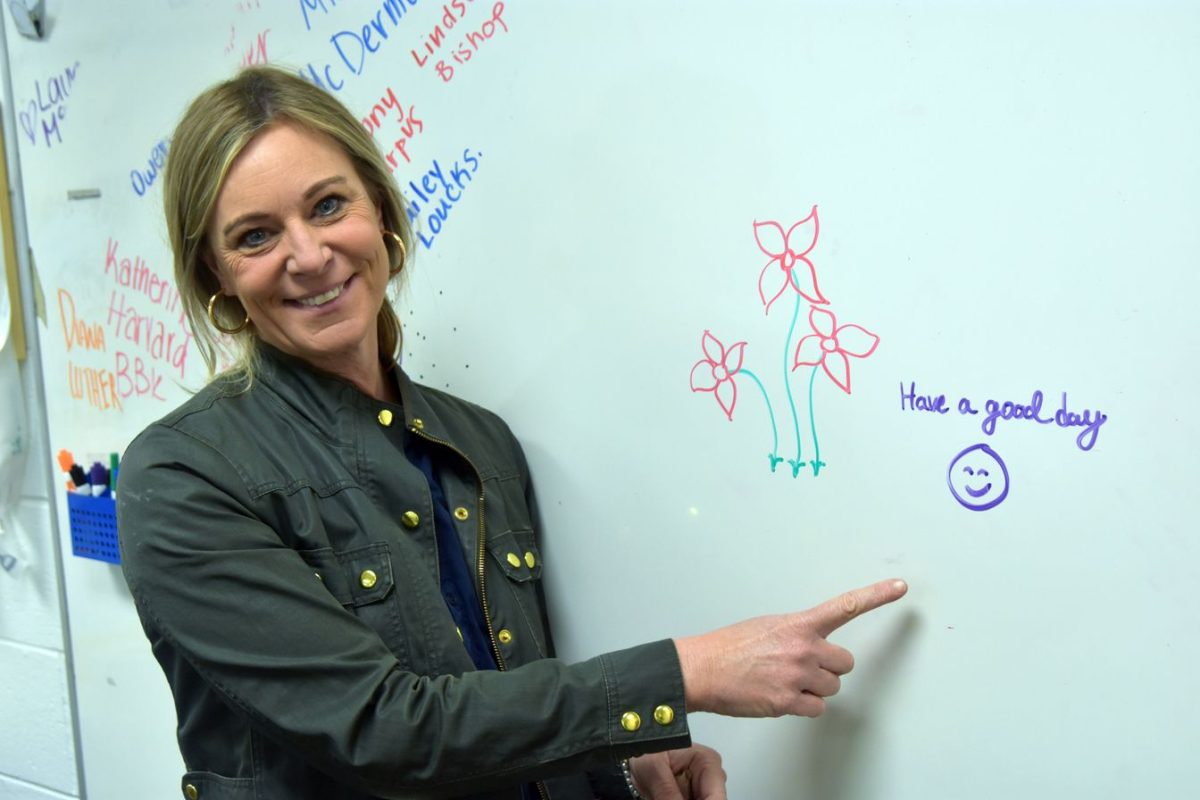
Corinne Buttner, a social studies teacher, explained that one of the most important habits for students is avoiding distractions while studying.
“Students need to find an undistracted space,” Buttner said.
She also emphasized that shorter study sessions are often more effective than trying to study for several hours on end.
“I think the best study habits a student can do is just doing smaller increments of studying,” Buttner said.
During this exam week, math teacher Megan O’Neill also recommended taking care of yourself during this overwhelming stretch.
“Make sure you’re giving yourself breaks, study habits can also look like taking care of yourself, like drinking water and eating, so that when you are studying, you’re doing it effectively,” O’Neill said.
Teachers also encourage students to use available resources such as office hours, class notes and peer discussions when preparing for exams. Many educators believe that planning ahead and staying organized can make finals week less stressful and help students feel more confident going into each exam.
Even though exams are a stressful time for all, if students work hard, give themselves grace, and adopt good study habits, they will succeed.