Gibbons is testing out a new schedule format for the last two weeks of this school year.
This new pilot schedule is based on a survey sent out last fall to all students. The main change to the schedule is that advisory times will be determined by grade level, not the house system.
The Schedule
Monday – 9th/10th grade advisory, 11th community time, 3 p.m. dismissal
Tuesday – No advisory or community time, 2:35 p.m. dismissal
Wednesday – 11th grade advisory, 9th/10th community time, 3 p.m. dismissal
Thursday – No advisory or community time, 2:35 p.m. dismissal
Friday – 9th/10th grade advisory, 11th community time, 3 p.m. dismissal
The change has also expanded office hours:
Monday, Wednesday, Friday- Before school (7:45-8:20)
Tuesday & Thursday- After school (2:35-3:15)
Inside the New Schedule
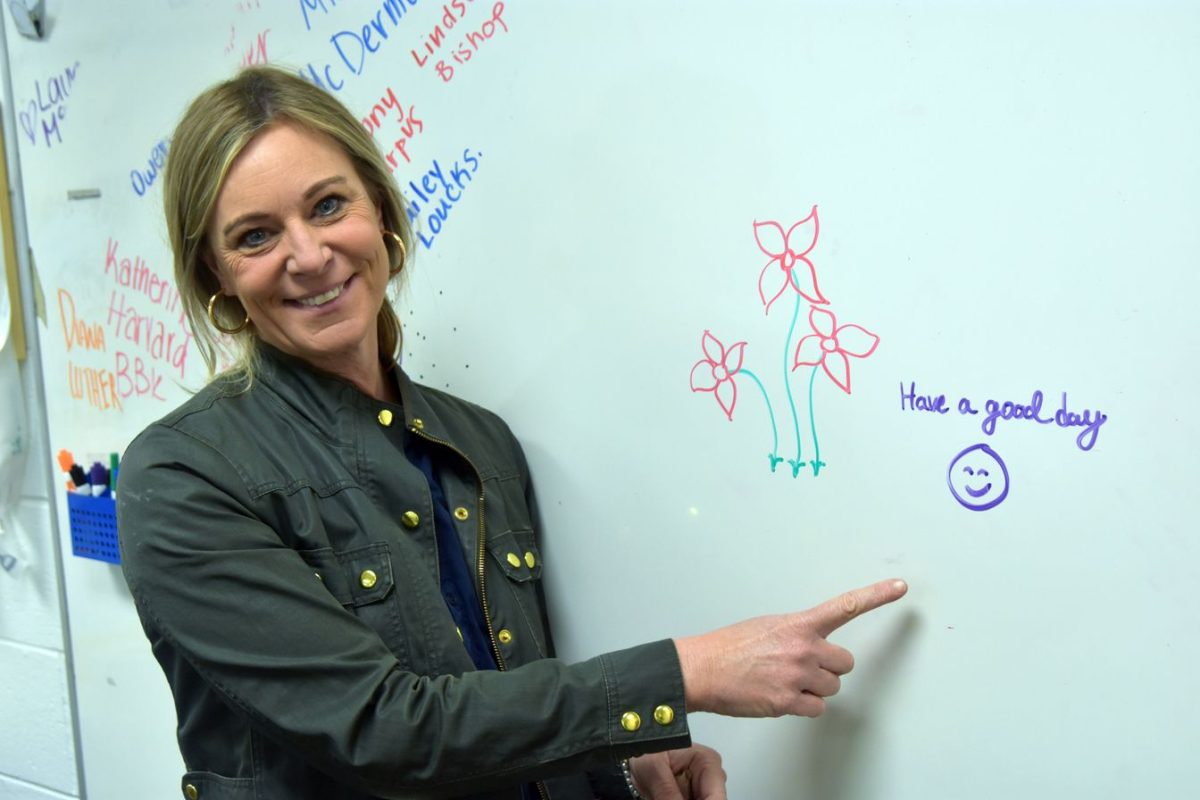
According to Ms. Paige Derouin, Dean of Students, much of the feedback showed that freshman and sophomore students benefit more from meeting in advisory multiple times a week, while juniors and seniors felt they did not always need as much advisory time unless college counselors were visiting.
Derouin explained that the new schedule is meant to give younger students more structure and support while also creating new opportunities for upperclassmen.
“I think freshmen and sophomores really appreciate the time to get on board and to make new friends,” Derouin said.
By having all the juniors and seniors free during the same community time, that leaves time for leadership groups, clubs and grade-level meetings that may also become easier to organize.
Another major part of the pilot is the addition of afternoon office hours on Tuesdays and Thursdays. This change is meant to benefit students who cannot arrive early in the morning for office hours before school. Athletic teams will still have practice at their normal times, this allows students to attend clubs, meetings, or office hours before practices begin.
Although the house system will still exist, Derouin acknowledges that the pilot could change how important it feels to students. Since community time would no longer depend on house groupings, students may focus more on grade-level interactions instead. However, she said the future of the house system will largely depend on how students and teachers respond to the pilot.
Student’s Opinions
The Gibbons Globe polled students from 9th grade to 11th grade about this upcoming change.
When asked if they think the pilot schedule should be tested out, 61 percent of students said yes. But when asked if students like how the pilot schedule is formatted, only 39 percent of students said yes.
One sophomore respondent wrote: “I think it’s nice that they’re changing things because the usual one takes so much time and stuff out of the day, but I also like my advisory, so I’m curious what will happen when we only meet once a week next year.”
On the other hand, some students don’t like the formatting, saying that it seems unnecessary.
One junior respondent wrote: “I honestly don’t understand why freshman and sophomores have two days of advisory and juniors have only one day of advisory. Juniors and seniors should have two days of advisory due to having more things on student’s plates, talking about college plans and plans after high school, and continuing to strengthen bonds with other students and the advisor.”
Another question about grouping advisory times together by grade is what will happen to the house system?
By no longer being sorted by house, students will only spend time with people in their grade level, and the grade above or below them. Because of this change, the question of the house system’s fate is a big one.
One sophomore wrote: “I think that the house system will have a little less importance, as the main reason people pay attention to it is to see when they have advisory (versus) community time.”
Hopes for the Future
Because the schedule is only being tested for the final weeks of school, administrators say that there is no guarantee it will become permanent this next year. School leaders plan to gather feedback after the pilot ends before making any final decisions.
As students and teachers prepare to try the new schedule, many are interested to see how it impacts advisory, community time, and student life overall. Whether the pilot schedule changes for next year or not, the school hopes the test run will help determine what schedule works better for the Gibbons community.
“I’m hopeful that people will give it a chance and try it out and let us know what they think,” said Derouin.