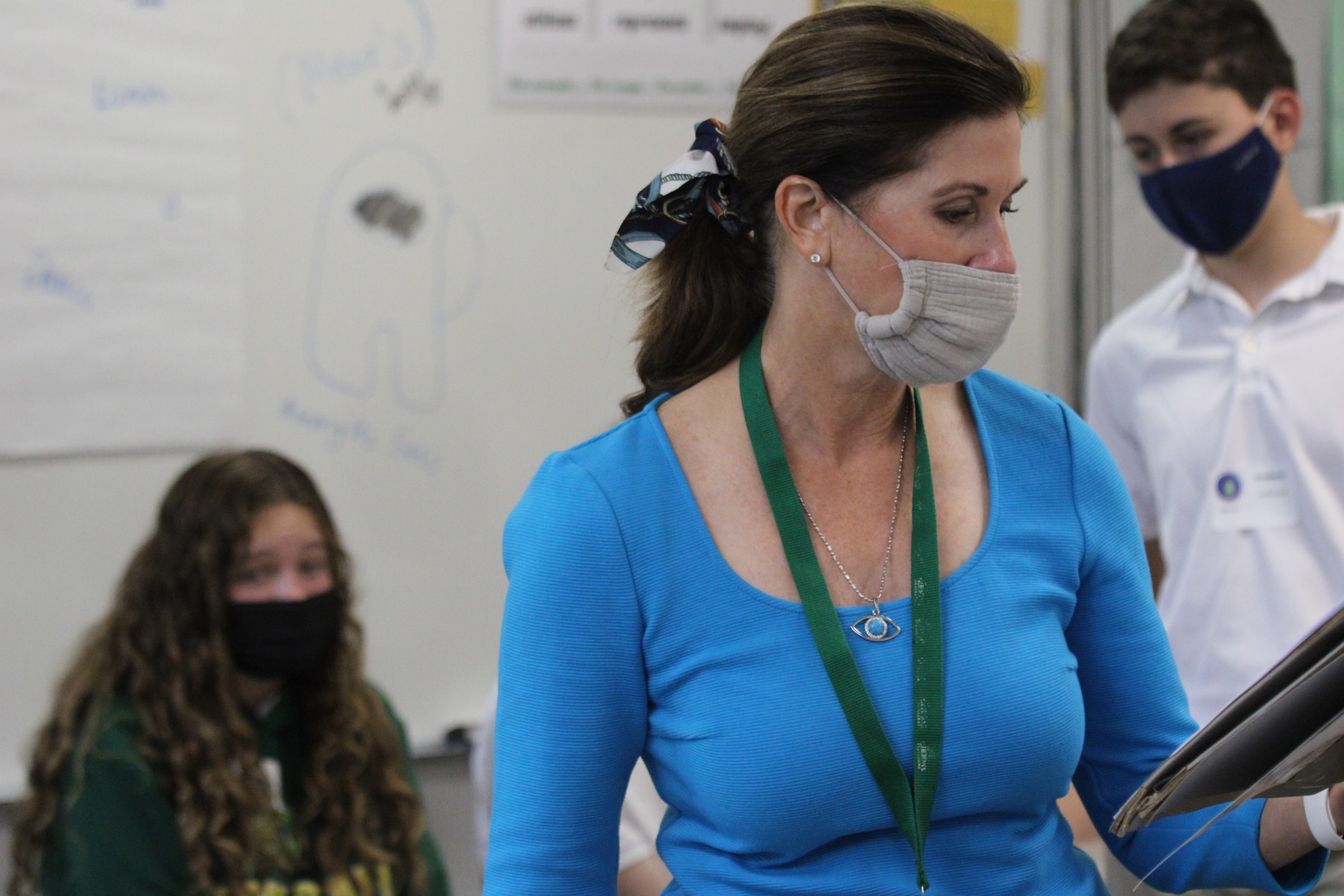
As students start to end the semester and head into a well-deserved winter break, our school nurse, Nurse Bachinski, shared some important reminders to help everyone stay healthy, safe and prepare for a new semester. From avoiding common winter illnesses, to keeping up good routines, her advice covers everything students need to know for a safe winter season.
Staying Healthy Around Others
According to Bachinski, winter break often means spending more time indoors and around large groups of people, which can increase the spread of viruses.
“In order to stay healthy during the wintertime when you’re indoors a lot and not out in the fresh air,” said Bachinski. “Make sure you’re keeping a distance from those who are sick. As well as that if you’re around people to make sure you’re covering your mouth and washing your hands frequently.”
She also reminds students that getting a flu vaccine is a key way to prevent getting sick during the colder months. When traveling or visiting family, students may be exposed to more germs than usual.
“During winter break many travel, you’re seeing family and just around others as well as stuck indoors. You’re exposed to an amount of viruses that are gonna be transmitted, so it’s important that you’re up to date on vaccination and staying away from those you know are sick,” Bachinski said.
If students start feeling under the weather, Bachinski encourages taking time to rest.
“If you yourself are sick, you should allow yourself time to recover because if you’re not giving yourself adequate time to recover, you’re gonna prolong the illness and spread it to others.”
Cold Weather Tips
As temperatures drop, Bachinski emphasizes that dressing properly is essential. Students should wear layers and dress according to the weather before going out. Also, they should always bring hats, gloves and warm socks wherever they go. Staying dry and bundled up helps prevent discomfort and cold-related issues.
Boosting Your Immune System
With so many winter illnesses going around, keeping the immune system strong is more important than ever. A surprising amount of this involves simple habits.
“To boost your immune system it’s about trying to minimize stress like sleep, adequate nutrition. These are all things that sound basic, but not everyone does, but it will help you be less susceptible to viruses,” Bachinski explained.
Getting the proper amount of rest is especially important for teens. For teens ages 13-18, it is recommended to get 8-10 hours of sleep per night, with many adolescents feeling their best at around nine hours. Students are also encouraged to keep tech out of their bedrooms to avoid sleep disruptions.
For snacks that help you stay energized, Bachinski suggests focusing on protein.
“Protein is really important. It’s gonna sustain you in the cold weather. It’s one of the most meaningful sources of energy.”
Foods like yogurt, chicken, eggs and cheese are all great choices. She also warns students not to overdo caffeine even when trying to stay awake longer during break.
Clearing Up Winter Health Myths
Bachinski also addressed a few common misunderstandings, including the idea that cold weather directly causes colds or that you can get the flu from a flu shot, both of which are false.
“Sometimes the flu shots are effective, sometimes they are not, but most likely you’re going to get the flu to a lesser severity degree then you would if you didn’t get the shot.
Taking Care of Your Mind
Not all winter break challenges are physical, some students feel lonely or stressed without the structure of school. Bachinski recommends staying active, spending time with friends and making plans to avoid isolation. She also encourages mindfulness practices like journaling.
“Journaling can be helpful to practice good mindfulness as well centering yourself for a few minutes a day to be present with how you’re feeling,” Bachinski said.
Keeping routines consistent also helps students feel balanced.
“General sleep help really shouldn’t be varying,” said Bachinski. “You should be going to bed and waking up at the same time. So definitely be catch up on your sleep over break but, not to an extreme, because it’s harder to get back to a normal routine back to school hours.”
Staying Safe All Break Long
With colder weather, more time indoors and lots of holiday activities, winter break can be both fun and unpredictable. By taking simple steps like dressing warmly, washing your hands, eating well and keeping up with sleep students can enjoy their time off while staying healthy.
Bachinski’s advice is a great reminder that staying safe doesn’t have to be complicated. A little preparation and good habits can make a big difference throughout the season and into the new year.